For generations, Indigenous communities have lived in harmony with forests, rivers and soil — cultivating a science of survival grounded in observation, respect and balance. Their knowledge of food, farming, healing and crafts forms an unbroken chain of wisdom that modern science is only beginning to recognise.
At KISS, we see these knowledge systems not as relics of the past, but as living, evolving frameworks for resilience. Through research, documentation and education, we bridge Indigenous wisdom with modern sustainability — ensuring that these practices remain relevant, respected and regenerative.
Reviving Indigenous Food Systems
From foraging and seed preservation to kitchen gardens and cooking traditions, food is both sustenance and story
Featured Resource
The Indigenous Recipe Book
From Field to Flame
Born during the COVID-19 pandemic through Project CHIRAG — a collaboration between University of East Anglia (UEA), Gram Vaani, PRADAN and KISS.
Used an Interactive Voice Response System (IVRS) — a simple phone helpline — to connect with farmers and migrants across tribal Odisha
Recorded hundreds of calls — stories, recipes and observations from Koraput and Kandhamal districts
A living archive where each recipe tells a story of resilience, community and the women who sustain their families
Creative Hub for Innovation & Reciprocal Research & Action for Gender Equality
Impact: The project established Odisha’s first community-based digital food knowledge network, demonstrating how voice technology and local wisdom can coexist to shape policy, empower women, and preserve culture.
Cambridge University-led initiative promoting sustainable agriculture beyond the seed-fertiliser-water model
Impact: KISS’ collaboration brought Indigenous Odisha’s agroecological knowledge to an international platform, proving that sustainable innovation must begin with those closest to the land.
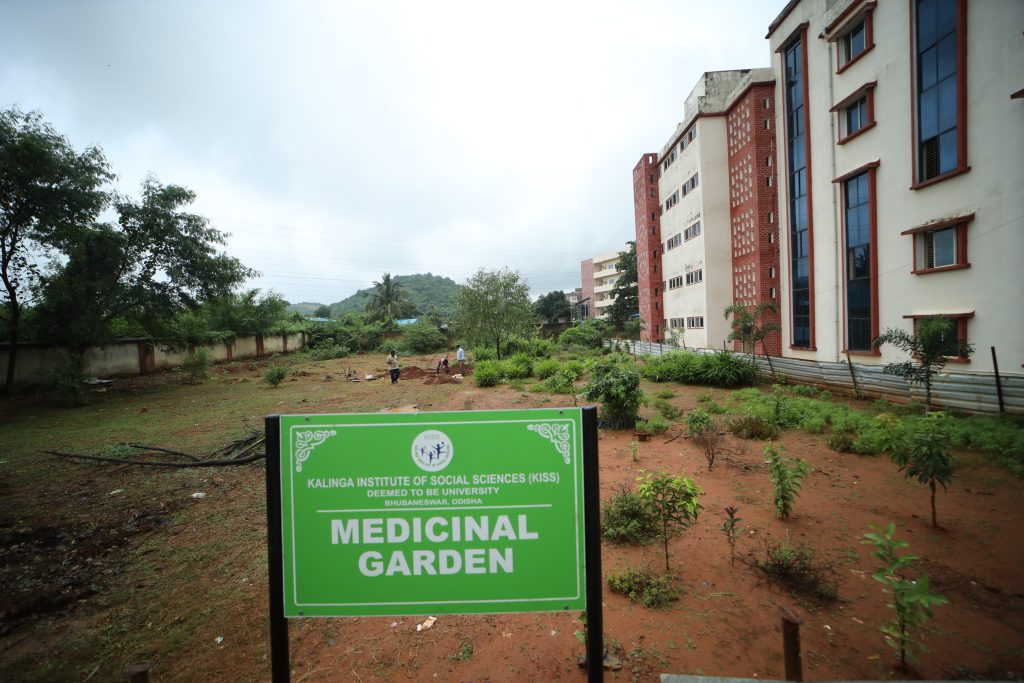
Tribal Odisha has long practised forest-based healing — a form of medicine rooted in plants, rituals, and deep ecological understanding. At KISS, we integrate this wisdom into both academic study and experiential learning.
Professors of Practice Tribal healers like Shri Pabitra Patra teach students the identification and use of local medicinal plants
200 species of herbs Over 200 species of herbs have been catalogued in Prof. Patra's home garden, many used for curing seasonal and chronic ailments.
Ethical Documentation Students research Indigenous Knowledge, Science & Technology, ensuring intellectual property remains with the community
Craft, Weaving & Everyday Technology
Hands that hold heritage
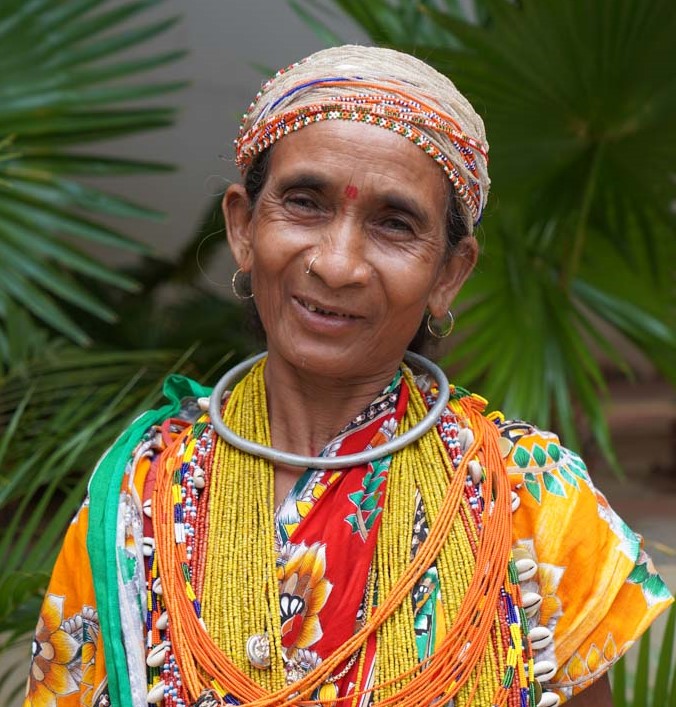
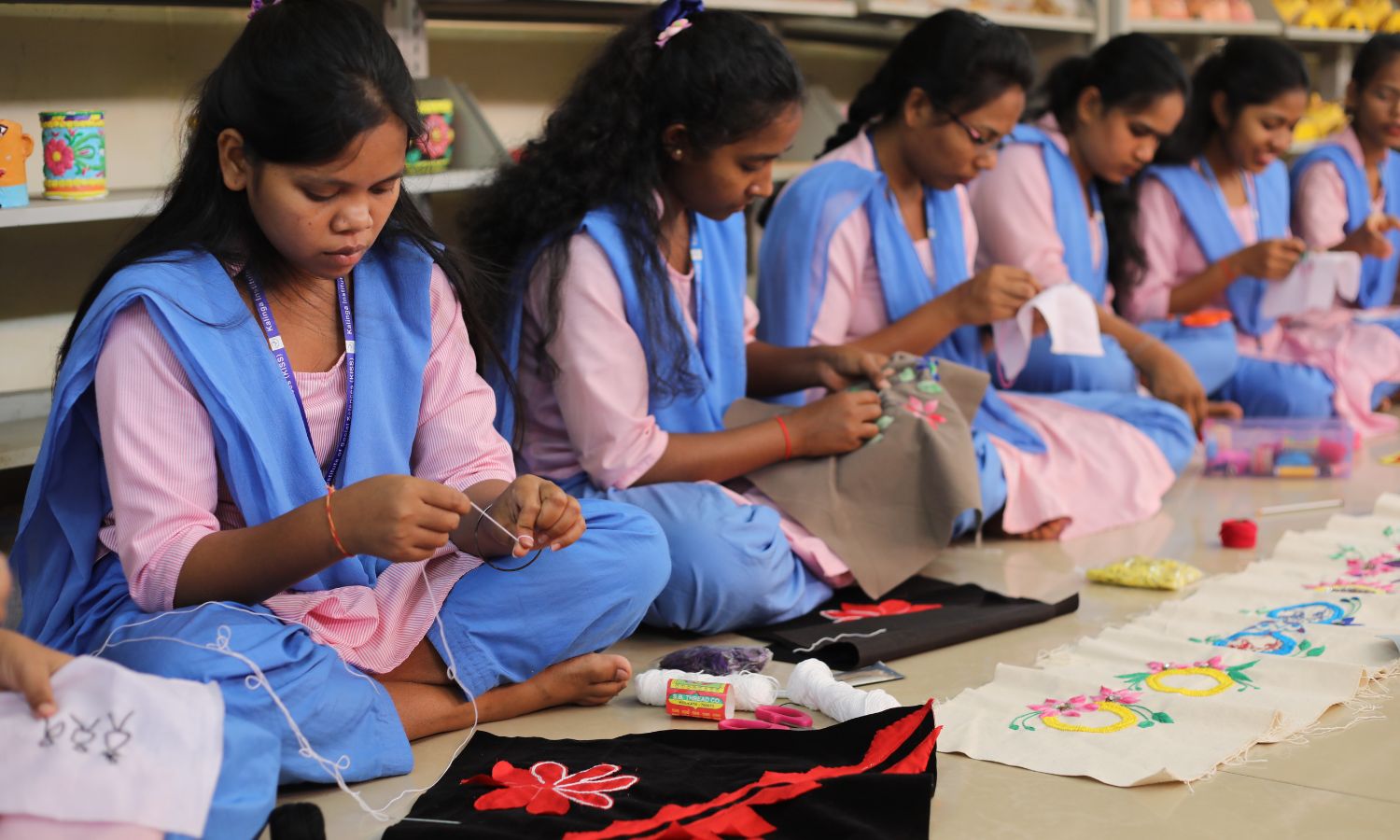
Through the Professors of Practice initiative, KISS formally recognises craft masters who carry this heritage forward. These artisans not only demonstrate traditional methods but also mentor students to adapt them for modern design, sustainability and social enterprise.
Smt. Sindhe Wadaka
Dongria Kandha shawl weaving (Kapdagandh).
Smt. Sambari Sisha
Bonda jewellery making
Smt. Laxmi Sabar
Saura ritual painting (Idital)
Vocational Education & Skill Training
KISS integrates Indigenous crafts into structured programmes, enabling students to practise weaving, painting, pottery and jewellery-making alongside contemporary courses in design and entrepreneurship.
Weaving, Painting, Pottery, Jewellery, Design
Impact
This blend of mentorship and structured skill training transforms cultural knowledge into opportunity — helping tribal youth see heritage not as history, but as a pathway to independence, innovation and dignity.
Knowledge, Gender, and the Everyday
Women are central to Indigenous knowledge systems
As farmers, foragers, seed keepers, and healers. Yet, they are also among the most vulnerable to food insecurity and poverty.
Projects like CHIRAG and TIGR2ESS make women’s voices visible in policy and research. By framing women as knowledge-holders rather than beneficiaries, these programs redefine what empowerment means in the context of food, land and culture.
Impact
From the IVRS helpline to the recipe book, each initiative led by KISS proves that when women speak, knowledge grows — and communities thrive.
Indigenous knowledge systems are not alternative science
KISS’ work — whether in fields, forests, or classrooms — ensures that these timeless systems find new relevance in the age of technology, climate change and globalisation.
Live Sustainably
Teaching us how to live in harmony with the earth
Respect Biodiversity
Valuing the intricate web of life around us
Value Reciprocity
Building relationships of mutual care with nature
"Our goal is not to preserve the past in a museum — it is to let it live, breathe and teach the future."