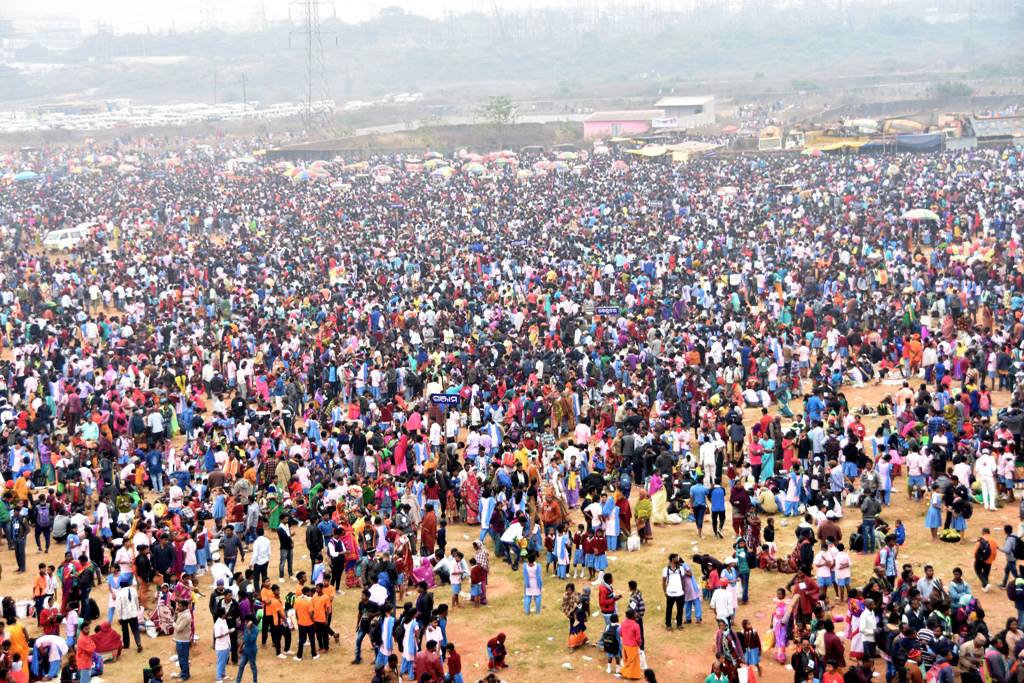
At KISS, Indigenous knowledge doesn’t live in books alone — it lives in people. From the elders who teach, to the students who perform, to the parents who visit from faraway villages — every individual becomes both a custodian and co-creator of learning.
Here, participation isn’t symbolic. It’s structural, intergenerational and deeply human.
100,000+
Parents at Annual Meet
13+
Professors of Practice
64
Tribal Communities
1000+
Alumni Mentors
Professors of Practice
Learning from the Masters
One of KISS-DU’s most distinctive features is its Professors of Practice, which formally recognises elders, artisans, healers, and cultural practitioners as faculty.
They teach what no textbook can: the rhythms of a dance, the logic of herbal medicine, the patterns of weaving, the rituals of storytelling. By bringing them into classrooms alongside academic faculty, KISS bridges oral tradition and university education — ensuring that Indigenous knowledge is respected as expertise.
Impact
This initiative turns ancestral wisdom into academic capital, validating community knowledge and preserving it through teaching, documentation, and mentorship.
Faculty with Roots in the Community
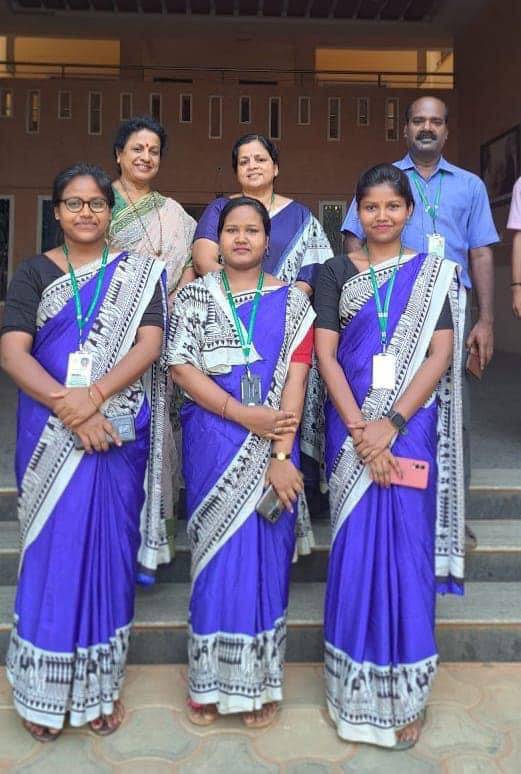
Many of KISS’ own teachers are former students and first-generation formal education learners from tribal backgrounds. Their journeys — from classrooms in remote villages to lecterns at the university — embody what KISS stands for: education that comes full circle.
Each such faculty member brings lived experience and linguistic diversity into pedagogy, making lessons relevant and empathetic for today’s
Impact
This model of representation ensures that Indigenous education is not just about communities — it is by and for them.
Annual Celebration
The Mega Guardians' Meet
Every year, KISS hosts one of the largest community gatherings of its kind — welcoming over one lakh parents and guardians from across Odisha and neighbouring states to campus.
The event is more than a meeting; it is a cultural homecoming. Families representing dozens of tribes arrive in their traditional attire, bringing with them their distinct music, dance, and symbols of identity.
100,000+ Attendees Parents & guardians annually
64 Tribes Cultural performances
1 Lakh+ Attendees
64 Tribes
Impact
The Guardians’ Meet reinforces the bridge between home and institution. It turns parental involvement into cultural participation, strengthens trust and celebrates KISS as a space where every tribe’s heritage is recognised and respected.
Student Expression
Learning beyond classrooms through dance, song, crafts, storytelling, sports and theatre
Every aspect of campus life — from the festivals celebrated to the music echoing through dorm corridors — reflects student expression. Through dance, song, crafts, storytelling, sports and theatre, students find creative ways to reclaim and reinterpret their heritage.
Mentored by elders, cultural coordinators, and visiting artists, these performances aren’t extracurricular — they’re extensions of identity. They also provide exposure and confidence, enabling tribal youth to represent their culture nationally and internationally.
Impact
This blend of mentorship and structured skill training transforms cultural knowledge into opportunity — helping tribal youth see heritage not as history, but as a pathway to independence, innovation and dignity.
Alumni Network
Carriers of Culture, Agents of Change
KISS alumni — many of them now teachers, civil servants and development professionals — remain closely connected to their roots. Through mentoring current students, supporting village-level initiatives, and promoting Indigenous rights, they extend KISS’ mission far beyond its campus.
Impact
Every alumnus becomes a multiplier of change — carrying forward both education and empathy into their communities.
From tribal elders in faculty roles to parents who travel hundreds of kilometres to visit their children, KISS thrives because its people own it. Education here is not a service delivered; it’s a shared responsibility nurtured through participation, pride and partnership.
Community
Participation
Education
Impact
"When communities teach together, they rise together."