

Six historic academic milestones — from AI integration and financial inclusion to indigenous representation and linguistic preservation.
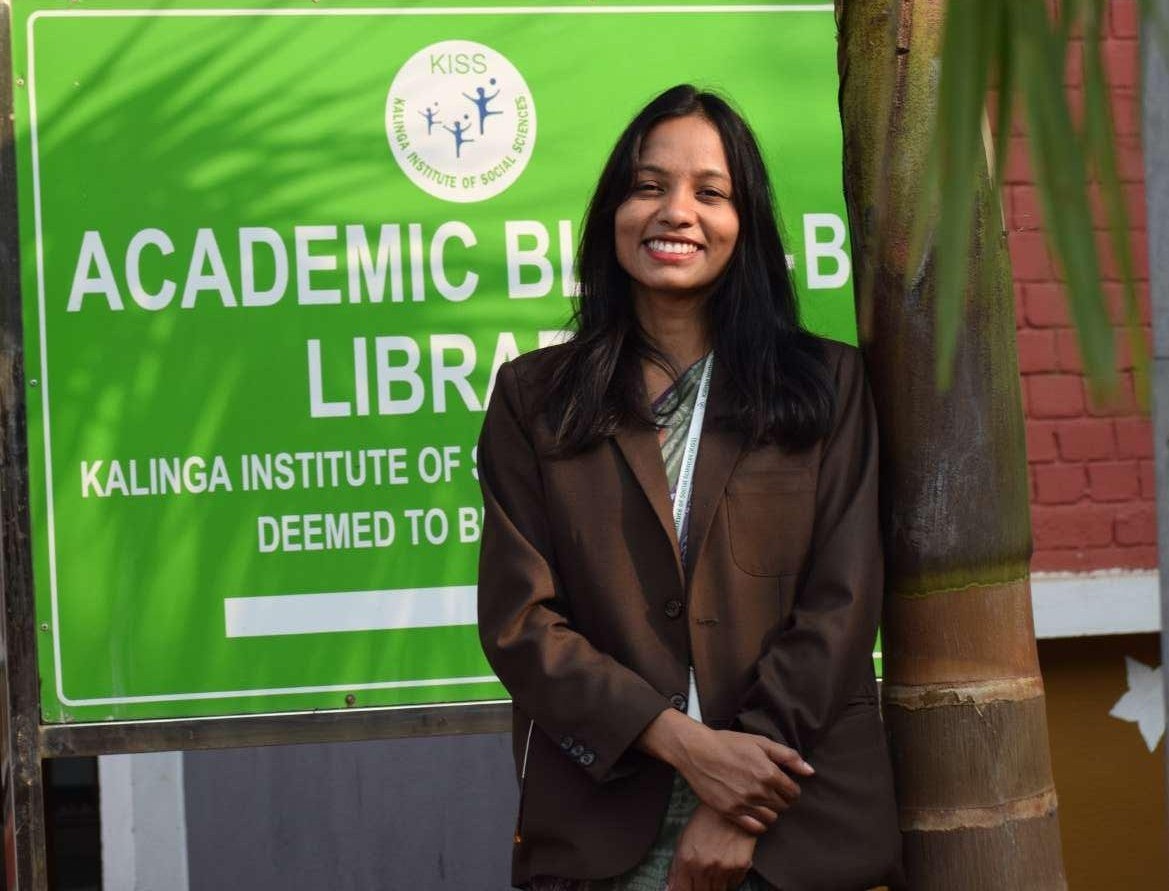
"For Ms. Manisha Laguri, pursuing a Ph.D. was never just a personal ambition; it was a journey that carried the hopes of an entire community."— Dr. Manisha Laguri
Hailing from Noamundi Block in Jharkhand, she has become the first research scholar from both her block and village to earn a doctorate, marking a historic milestone for the region.
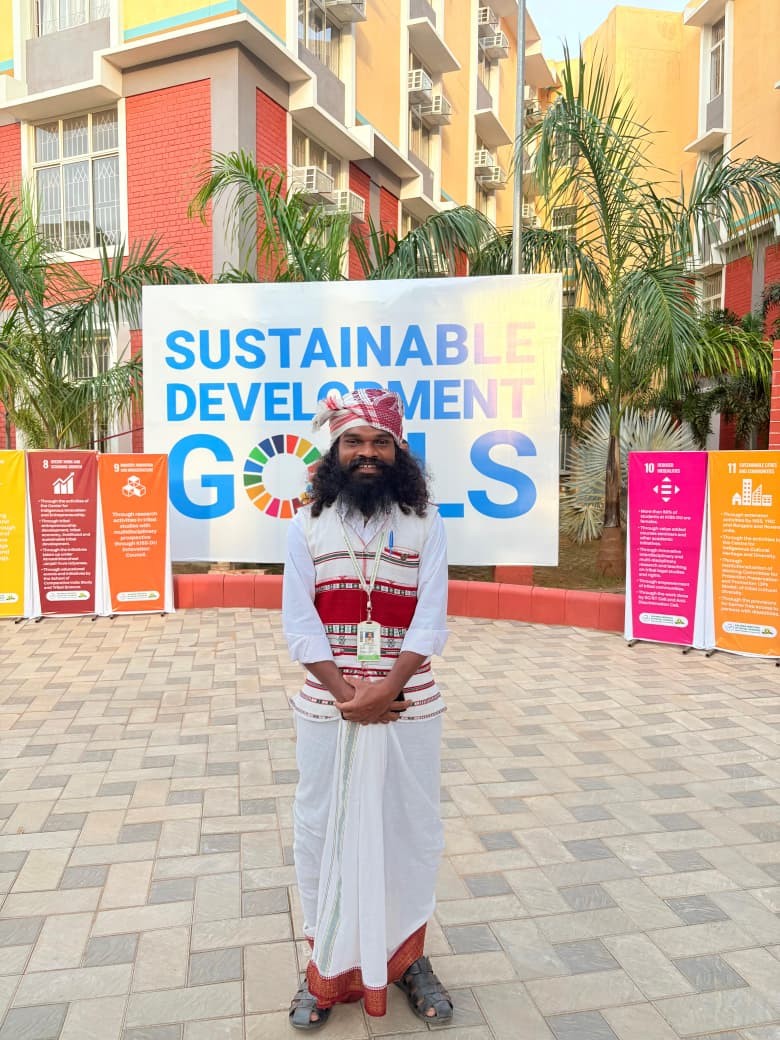
"Bikram became the first scholar to complete Ph.D.-level AI research for the Ho language, opening new possibilities for language preservation, accessibility and digital inclusion."— Dr. Bikram Biruli
Born in the remote village of Matkam Sahi in Odisha’s Mayurbhanj district, Bikram Biruli grew up in a Ho indigenous family shaped by poverty, hardship and resilience.
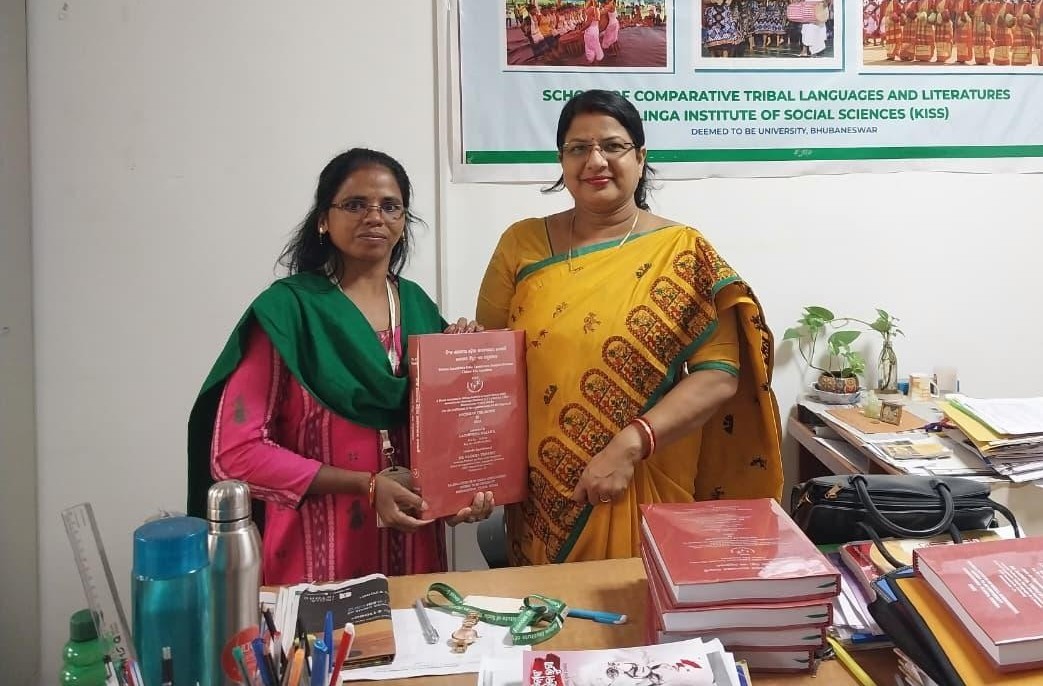
"Her journey is one shaped by perseverance, academic excellence and an unwavering belief in the power of education."— Dr. Laxmipriya Mallik
Affectionately known as the "Golden Girl" of Kutlari village in Odisha’s Kandhamal district, Dr. Laxmipriya Mallik’s journey bridges literary scholarship with cultural visibility.
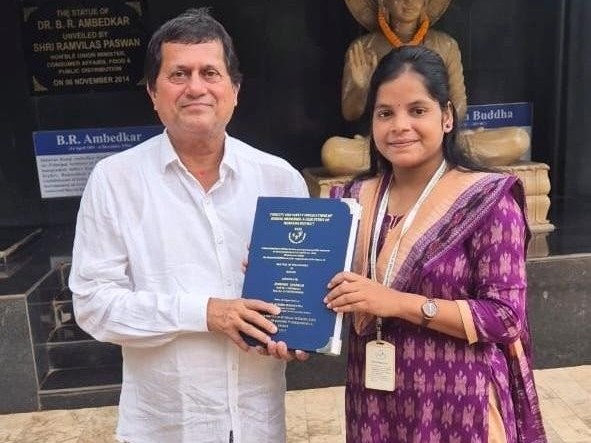
"Her work stands at the intersection of Indigenous wisdom, cultural preservation and scientific inquiry, an area of growing importance."— Jamini Jhankar
Making history as the first research scholar from her community to successfully complete doctoral research, marking a milestone for an entire generation of Indigenous students.
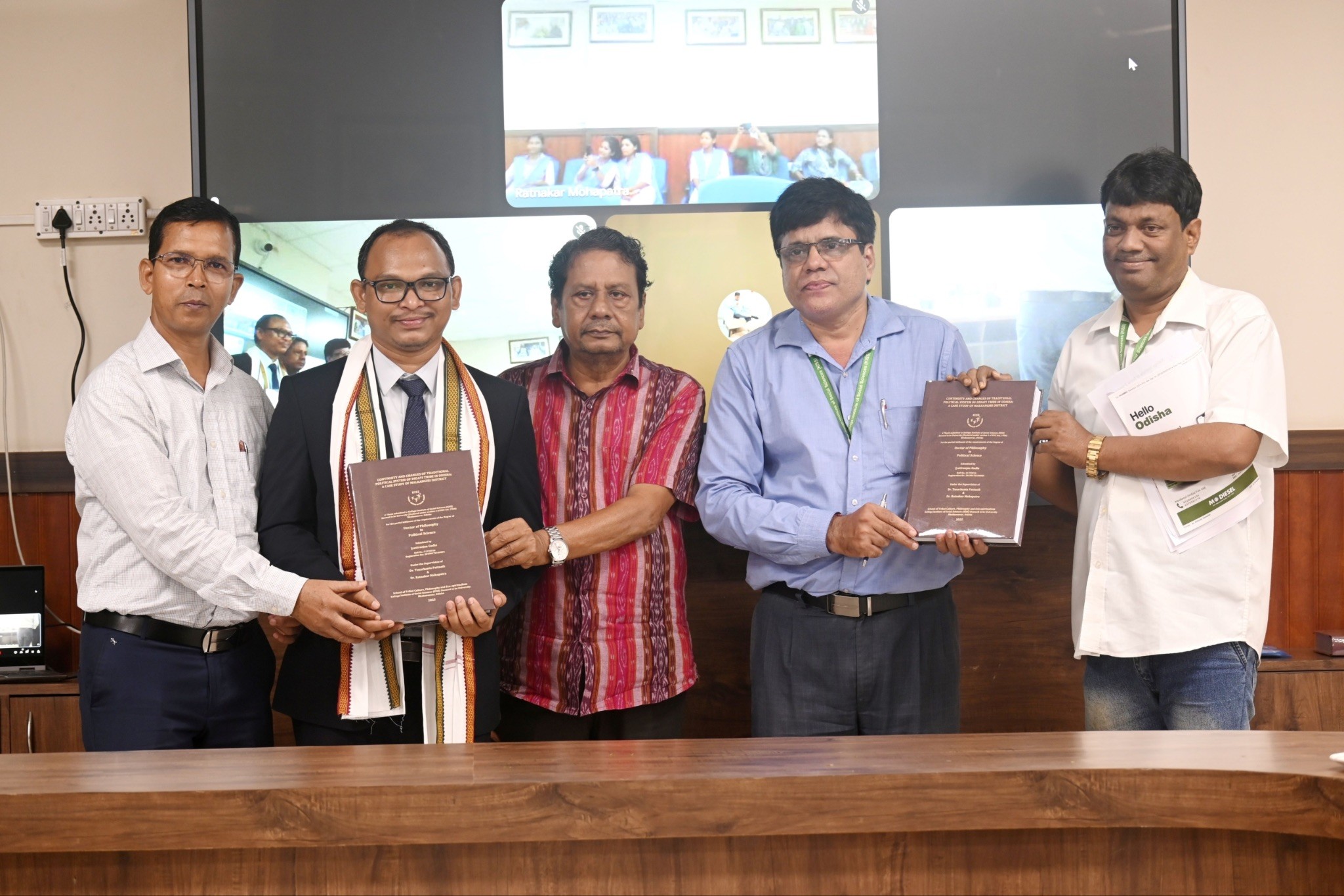
"His achievement represents far more than an academic degree. It marks the growing presence of Indigenous scholars in spaces of higher intellectual leadership."— Dr. Jyotiranjan Gudia
Born in Muduliguda village in Malkangiri, Jyotiranjan overcame financial hardships to write history as the first Ph.D. holder from the Didayi PVTG community.
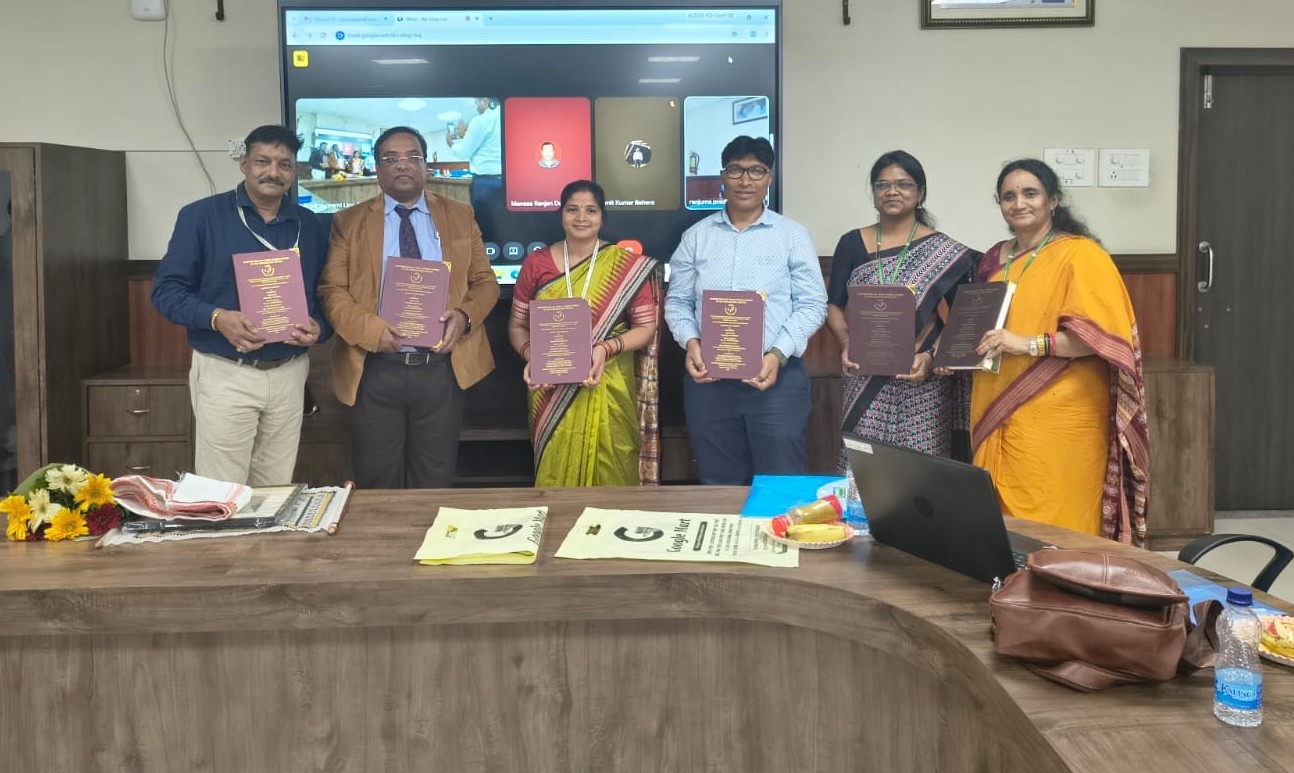
"Her work not only contributes to academic discourse, but also carries the potential to inform more inclusive approaches toward tribal agriculture."— Dr. Ranjuma Pradhan
Belonging to the Kandha tribe of Odisha’s Kandhamal district, Ranjuma dedicated her Ph.D. in Commerce to tracking the economic contributions of tribal women in agriculture.
Students, parents, athletes, entrepreneurs, researchers — each story reflects a life in motion, shaped by courage and quiet determination.
Tulasi Hansadah grew up in Golagadia village in Keonjhar district, in a Santal family where farming was the primary source of livelihood. Resources were limited, but education held value at home. Over time, that belief shaped not just her journey, but that of her siblings as well.
As a child, Tulasi dreamed of becoming a doctor. While the path seemed distant, things began to change when her headmistress encouraged her to apply for admission to KISS. She was selected and moved into a new academic environment that initially felt overwhelming.
Coming from an Odia-medium background, adjusting to English-medium science studies was difficult. But with patience and determination, she gradually found her footing.
Tulasi went on to complete her B.Sc. and M.Sc. in Nursing from KIIT Deemed University, gaining clinical experience at KIMS, where she also served as a tutor. Today, she works as a Nursing Officer (Grade II) at AIIMS Hyderabad.
Beyond her profession, Tulasi remains deeply connected to her roots. After losing her father, she took responsibility for supporting her family and ensuring her siblings continued their education.
Whenever she visits her village, she interacts with students, guiding them on education and career opportunities. She also conducts awareness sessions on health, hygiene, and nutrition for adolescent girls and pregnant women.
Tulasi hopes to continue supporting young girls who wish to pursue nursing and access opportunities that once felt far beyond reach.
Bhagyalaxmi Barik grew up in Dalabhaga village in Cuttack district, in a Sabara family where education was valued despite limited resources. Her parents remained committed to ensuring their children continued their studies.
As she moved into science education, adjusting to English-medium learning and technical subjects became challenging. But alongside academics, she discovered her passion for rugby.
Training, tournaments, and studies soon became part of her daily routine. Even while balancing missed classes and demanding schedules, she continued to stay committed to both academics and sport.
Bhagyalaxmi eventually represented India at the Asian Games and became part of the Indian women's rugby team that won a Silver Medal at the Asian Women's Rugby 7s Tournament in Laos.
She also served as Captain of Odisha's squad in the All India Women's 15s Rugby Tournament and consistently performed at national championships over the years.
Today, she works as a Forest Ranger, building a professional career alongside her achievements in sports.
Her journey has inspired change within her community, encouraging more families to support girls' education and participation beyond traditional expectations.
Ashok Kumar Muduli was born in Raising village in Koraput district, in a Paraja tribal family shaped by hard work and limited means. His parents balanced agriculture and labour while ensuring their children stayed connected to education.
After studying in Koraput, Ashok moved into a more structured academic environment to pursue Science. Adjusting to English-medium education and advanced subjects was difficult at first, but he remained consistent in his efforts.
Over time, he built confidence academically and socially, eventually completing his Bachelor of Computer Applications (BCA).
Following graduation, Ashok focused on preparing for civil services. The process demanded patience, discipline, and sustained effort. Eventually, he successfully qualified for the Odisha Administrative Service (OAS).
Today, he serves as an Additional Tahasildar in the Revenue and Disaster Management Department, Government of Odisha.
Despite his achievements, Ashok remains closely connected to his village and community, often engaging in discussions around education, development, and local opportunities.
Hara Prasad Hepruka grew up in Utkapadu village in Rayagada district, in a Kandha tribal family where opportunities were limited but education was deeply valued.
As he moved into higher education, he gradually developed a stronger sense of purpose. He pursued undergraduate and postgraduate studies in Political Science, completing his Master's degree in 2013.
Adjusting to English-medium learning and building confidence in communication took time. But exposure to new environments, people, and ideas slowly transformed his outlook.
After completing his studies, Hara worked briefly as a District Coordinator before deciding to enter public life more directly.
Today, he serves as the Sarpanch of Kuli Gram Panchayat in Rayagada, focusing on issues such as drinking water, sanitation, roads, healthcare, and education.
During the COVID-19 pandemic, his work in awareness and management received recognition from the Chief Minister's Office, and his Panchayat received the "Sushtha Panchayat Award".
Alongside governance, he actively works to preserve local language, traditions, and food practices while addressing social challenges within the community.
Sunaram Kisku was born in Rumapahadi village in Mayurbhanj district, in a Santali family where financial hardship shaped everyday life. His father, a cowherd with limited schooling, struggled to support a large family.
From early on, Sunaram believed education would become his path forward. But transitioning from Odia-medium education to English-medium science studies became one of his biggest challenges.
Initially, he struggled to follow lessons and hesitated to ask questions. Over time, through persistence and support, he gradually built both academic understanding and confidence.
He completed his BCA and MCA degrees from KIIT and eventually joined ISRO as a Senior Assistant in the Department of Space.
Alongside his professional journey, Sunaram also remained active in sports, earning recognition at the ISRO Inter Centre Sports Meet.
Whenever he returns to his village, he spends time encouraging students to continue their education and believe in their own possibilities.
Suman Kujur grew up in Panchakhandasahi village in Sambalpur district, in an Oraon tribal family where education was encouraged despite financial limitations.
As a student, Suman initially aspired to become an IAS officer. Over time, however, his interests gradually shifted toward engineering and technical studies.
He pursued Science education before completing his B.Tech in Electrical Engineering from KIIT, building a strong academic and technical foundation.
Today, he works as an Assistant Manager at Odisha Power Transmission Corporation Limited (OPTCL), contributing to infrastructure and public systems through the power sector.
Although his path changed over time, the underlying motivation remained the same—to contribute meaningfully through his work.
Suman reflects on his journey as a process of discovery, shaped by exposure, learning, and the willingness to keep moving forward even when plans evolved.
Amita Majhi grew up in Kabatasil village in Rayagada, in a landscape of forests and hills where life is closely tied to the land. Like many families in her community, hers depended on farming and daily wage work to get by. There was no shortage of effort—only of resources. Education was always valued at home, but accessing it was not simple. The nearest school meant navigating difficult terrain, and once there, the system itself often felt unfamiliar and hard to adapt to.
As the youngest in her family, Amita's early years were shaped by both care and constraint. Her parents, despite everything, remained deeply committed to ensuring their children had better opportunities than they did. That belief carried Amita forward.
When she moved into a more structured learning environment, the transition wasn't instant or easy. Like many first-generation learners, she had to find her own way—adjusting to new expectations, new languages of learning, and a different rhythm of life. But slowly, she settled in.
Over time, Amita began to stand out—not loudly, but steadily. She developed a strong interest in science, stayed consistent with her studies, and took part in school activities like singing, drawing, and storytelling. Teachers recognised her sincerity; her peers knew her as someone dependable, someone who showed up not just for herself but for others too.
Today, Amita is a focused and thoughtful student who takes her responsibilities seriously. She continues to do well academically and carries a quiet confidence in how she navigates her world. She dreams of becoming a doctor—not just as a personal goal, but with the intention of returning to serve communities like her own, where access to healthcare is still limited.
Her journey is not about sudden change. It is about persistence—of a family that chose education despite hardship, and of a young girl who kept going, step by step, shaping a future on her own terms.
Anand Mirdha grew up in Puliharam village in Sambalpur district, in a setting where forests, farmland, and community life were deeply intertwined. His childhood, like many others around him, was simple and rooted in nature. But that sense of stability was fragile.
The sudden loss of his father, the family's only earning member, changed everything. What followed was a period of uncertainty, where the family had to rely on extended relatives for support and rethink how to move forward. For Anand, this meant growing up quickly—learning to carry responsibility alongside grief.
Amid these challenges, continuing education was not a given. It required both support and determination. When the opportunity came for Anand and his brother to continue their studies in a more secure environment, it marked an important turning point—but also the beginning of a new adjustment.
Like many students from similar backgrounds, Anand had to adapt to a different academic structure, new expectations, and a more formal learning environment. He did so quietly, with focus. Over time, he found his rhythm.
He remained consistent in his studies, gradually building confidence and performing well. Beyond academics, he engaged with the broader learning environment—interacting with peers, learning from mentors, and developing skills that went beyond textbooks.
What stands out about Anand is his clarity. He understands what education means in his life—not just as a pathway to a job, but as something that brings stability, independence, and the ability to support his family.
Today, he continues his studies with that same sense of purpose. His journey reflects the reality of many young people who navigate loss and hardship early in life, but choose to keep moving forward. It is a story shaped by resilience, by community support, and by a quiet determination to build something better from what remains.
Sanjay Kumar Purty comes from Ramasahi village in Mayurbhanj district—growing up in a setting where opportunities often feel distant, and higher education can seem like an uncertain path. Like many first-generation learners, his journey into academics was not clearly mapped out from the beginning. It unfolded step by step.
After completing his schooling, Sanjay pursued his undergraduate studies in Commerce, gradually building a foundation that would shape his future. What followed was not a sudden breakthrough, but a steady progression—moving into postgraduate studies, and eventually into doctoral research.
Each stage came with its own challenges—adapting to academic expectations, finding direction within his field, and learning how to navigate spaces that were once unfamiliar.
Over the years, what helped Sanjay move forward was not just academic learning, but the relationships and guidance he found along the way. Teachers, mentors, and peers played an important role—not by shaping his path for him, but by supporting him as he figured it out himself.
He speaks of this journey not as something he achieved alone, but as something built through shared effort—through conversations, encouragement, and moments of clarity that came over time.
Today, as a Ph.D. scholar in the Department of Commerce, Sanjay reflects on how far he has come—not in terms of titles, but in terms of perspective. From a small village in Mayurbhanj to pursuing research, his journey represents what becomes possible when access to education is paired with persistence.
What remains constant is his sense of grounding. His roots continue to shape how he sees the world, and his journey forward is closely tied to where he comes from.
For Sanjay, education has not just been about academic growth—it has been about finding direction, building confidence, and understanding his place in a larger world.
Ajit and Daitya Kanhar grew up in Melupada village in Kandhamal district, in a family dealing with an extraordinary situation. Their younger siblings, Jaga and Balia, were conjoined twins whose medical condition required constant care and attention.
In the midst of this, Ajit and Daitya's early years became uncertain. Their parents were fully occupied with hospital visits and treatment, leaving little time or capacity to support the older children's education and day-to-day needs.
As a result, the brothers grew up with limited access to schooling and care during a crucial stage of their childhood.
Things began to shift when their situation was recognised and they were enrolled into a more structured learning environment.
The transition gave them access to consistent schooling, daily routines, and peer support—things that had been missing earlier. Over time, they began to settle in, reconnect with learning, and rebuild a sense of stability.
Today, Ajit and Daitya are continuing their education in a more secure environment, with the space to focus on their own futures alongside the realities their family continues to navigate.
Etua Munda is from Rangada village in Sundargarh district. She lost both her parents at a young age, and with her older siblings unable to care for her, she grew up depending on the support of people in her village.
It was through the intervention of the village head that she was enrolled in school in 2010.
For Etua, education came alongside rebuilding a sense of stability. Over time, she found not just routine, but also spaces where she could express herself.
One of those spaces was music.
She began singing during classes, and her voice quickly stood out. What started as participation grew into regular involvement in competitions, where she went on to win at district and state levels.
Her interest in music continues alongside her studies. She is currently pursuing a diploma course and remains deeply connected to singing, especially songs rooted in her culture and traditions.
For Etua, music has become both a form of expression and a way of carrying forward her identity.
Arjun Marandi grew up in Dasarapada village in Mayurbhanj district, in a family where farming was the primary source of income. His early years were shaped by limited access—to infrastructure, exposure, and opportunities that many students elsewhere take for granted.
He studied in an Odia-medium school, and when he moved into a more advanced academic environment, the shift was difficult. Subjects like Physics, Chemistry, and Mathematics felt unfamiliar, not just because of the concepts, but because of the language in which they were taught.
Catching up took time.
Arjun remembers struggling in the beginning, trying to follow lessons while adjusting to a completely different system of learning. What helped him persist was the support around him—teachers who took the time to explain, and peers who were navigating similar challenges.
Gradually, things began to make sense.
Exposure also played an important role. Interactions with visitors from outside, new ideas, and different academic pathways helped expand his sense of what was possible. Engineering, which had never been part of his early imagination, slowly became a real option.
He went on to pursue a B.Tech degree and is now working as an Assistant Executive Engineer with the Government of Odisha.
Arjun continues to stay connected to his village. When he returns home, he spends time encouraging younger students to continue their education—drawing from his own experience of not knowing what was possible until he saw it for himself.
Balika Baskey grew up in East Singhbhum, Jharkhand, in a family of five. Her father, who once supported the household, fell seriously ill and eventually passed away, leaving her mother to care for the family through daily wage work.
At that point, Balika had just completed her +2 education and wanted to study further. But the situation at home made that difficult. With no stable income, continuing her education felt uncertain, and the options in front of her were limited—either begin working or get married to reduce the financial burden on her family.
She wasn't ready to give up on studying.
When she learned about an opportunity to continue her education, it required convincing her mother to let her move away from home. It wasn't an easy decision, but she insisted—and eventually, her mother agreed.
The early days were not easy. She remembers missing home deeply, especially in the first month. Over time, she adjusted—finding support among friends and teachers, and slowly building a sense of belonging.
She completed her B.Com and later pursued a Postgraduate Diploma in Community Development.
Alongside academics, she also engaged in cultural activities, especially tribal dance, performing at different platforms and interacting with students from other communities.
Today, Balika is financially independent and working, supporting her family while continuing to build her own path.
Her journey reflects a series of difficult decisions—made step by step—rather than a single turning point.
Dibya Ranjan Das did not begin his journey in sports with a clear plan. When he first saw rugby being played, it was unfamiliar—something he didn't fully understand, but was curious about.
Watching seniors participate in tournaments and receive recognition sparked his interest. He decided to try.
The initial days were physically demanding. He struggled with stamina and had to work hard to keep up. But he continued training, gradually improving his strength and understanding of the game.
Over time, he began participating in competitions—moving from local matches to district and national-level tournaments. One of his most memorable experiences was playing in the Junior National Rugby Championship in Nagpur, which was also his first time travelling outside Odisha.
His journey took another turn when he interacted with international coaches who visited for training programmes. While assisting them, he developed an interest in the technical side of the sport.
That led him towards refereeing.
Today, Dibya is a rugby referee who has officiated around 18 tournaments, and his work has taken him to countries like Japan and Singapore, as well as across India.
His journey reflects how curiosity can evolve into commitment—and how opportunities, when explored, can lead in unexpected directions.
Nitesh Pujari grew up in a large family of seven, where daily life was shared between school, household responsibilities, and time spent with friends.
In his early years, studies were not something he focused on consistently. He attended school in his village but often spent time roaming around rather than studying.
Things began to shift in 2015, when he moved into a more structured learning environment.
For the first time, he was exposed to a range of activities beyond academics—sports, vocational training, and structured routines. It was here that he came across judo, a sport he had never heard of before.
Watching a demonstration sparked his interest.
He approached a trainer and began training, first working on his physical fitness and then developing his skills in the sport. Over time, his interest turned into commitment.
In 2018, he won a gold medal at a state-level championship, which led to his selection for national-level competitions.
For Nitesh, the change was gradual—from a lack of direction to finding something he could commit to and grow within.
Jitendra Behera grew up in Keonjhar district, where his early years were marked by restlessness and a lack of interest in studies. He often spent his time with friends, avoiding responsibilities and not taking school seriously.
His father, concerned about his future, sought help from within the community. This eventually led to Jitendra moving into a more structured environment in 2010.
The transition wasn't immediate.
At first, he struggled to adjust. But being surrounded by peers who were focused on their studies and activities began to influence him. Gradually, he started paying more attention in class.
A teacher once noticed that he was able to answer questions well and encouraged him to sit in the front row instead of the back. It was a small shift, but it stayed with him.
Around the same time, he was introduced to judo. He was drawn to the discipline of the sport and saw it as something that could help him work towards his goal of joining the army.
He trained consistently over the years and went on to compete in multiple tournaments: Silver medal at a state championship in Bhubaneswar; Gold medal in Sambalpur; Selection for national-level competition in Warangal; Another gold medal at a state meet in Bhubaneswar.
In total, he has competed in three state championships, winning two golds and one silver.
His journey reflects a gradual shift—from distraction to focus, shaped by both environment and effort.
Jagyasini Jani grew up in Kalahandi district in a family that depended on farming. With limited income and multiple children to support, continuing education for all siblings was not always easy.
When she first heard about the possibility of studying elsewhere, she was determined to pursue it. Her father was hesitant at first—the distance from home was a concern—but she insisted, and eventually he agreed.
She joined in 2015.
The initial days were overwhelming. The campus was large, routines were unfamiliar, and she often found herself getting lost while trying to navigate daily activities. She relied on a friend in the beginning, especially for simple things like finding the dining hall.
Over time, she settled in.
She first noticed judo by watching other students practise. The sport was completely new to her, but she was drawn to it. She decided to try, and gradually began training.
Like many others, her journey in sport began with observation, followed by curiosity, and then commitment.
Her story reflects how new environments can feel uncertain at first—but with time, they become spaces where confidence begins to grow.
Sumitra Nayak grew up in a remote village in Jajpur district, in a family where resources were limited and opportunities often felt distant. Like many young girls in similar settings, her early life was shaped by constraints—but also by a quiet determination to move beyond them.
Her journey into rugby was not something she had planned. It began with exposure to the sport and grew through consistent training, discipline, and perseverance. Over time, she developed not just as a player, but as a leader.
Sumitra went on to become the captain of the Indian Women's Rugby Team, representing the country at international platforms. Her journey has taken her far beyond her village—onto global stages where she has spoken about her experiences and the importance of opportunity for young people.
She was nominated for the International Children's Peace Prize, delivered a TEDx talk in Pune, and was selected as a Youth Venturer by the Ashoka Foundation.
Despite these achievements, what stands out in Sumitra's journey is how rooted it remains. She continues to be a source of inspiration for young people in her community—not as someone distant, but as someone who has walked a path they can relate to.
Her story reflects how access to opportunity, when combined with persistence, can create pathways that extend far beyond where one begins.
Dhaba Sirika's early life in Koraput district was shaped by financial hardship severe enough to interrupt his education.
At one point, he migrated to Tamil Nadu under difficult working conditions, taking up labour to survive. But even then, he carried the idea of doing something more meaningful.
When he returned, he began building a small enterprise with limited initial support—starting with ₹10,000 in seed funding and a small bank loan.
Over time, he expanded his work into a sustainable business that now employs around 10 people from his community.
His journey reflects resilience, but also intention—moving from survival to creating opportunities not just for himself, but for others around him.
Hupi Majhi, from Keonjhar district, grew up in a modest household as the youngest of three siblings. Life at home was simple, shaped by limited resources and everyday challenges.
Her journey into rugby began through exposure and interest, much like many others. What followed was years of training, discipline, and steady progress.
She went on to become a member of the Indian National Women's Rugby Team, representing the country at international competitions. One of her notable achievements includes being part of the team that won the Silver Medal at the Asia Rugby Sevens Trophy (2019) in Jakarta.
Earlier, she had also been a Gold Medalist at the 35th National Games (2015).
Hupi's journey reflects a steady rise—built not on sudden breakthroughs, but on consistent effort over time. Today, she stands as a role model for young people in her district, showing what is possible through sport and determination.
Meerarani Hembram comes from Gopalpur village in Keonjhar district, where she grew up in a family navigating economic hardship.
Her journey in rugby developed through years of training and participation, eventually leading her to represent India at the international level.
She has been part of multiple major tournaments, including the Asia Rugby Sevens Trophy (Silver Medal), the Asia Rugby Women's Championship Division 1 (Bronze Medal), and the Pre-Olympic Qualifier Rugby Women's 7s (Runner-up).
Meerarani has also delivered a TEDx talk in Bangalore, sharing her experiences and journey.
Her story reflects both achievement and representation—carrying her journey from a small village to global platforms, while continuing to remain connected to where she comes from.
Manjuta Khara, from Malkangiri district, had aspirations of becoming an entrepreneur—something that was not always supported or understood in her early environment.
Despite initial resistance, she continued to pursue her goal. With encouragement and training, she set up a Customer Service Point in her locality.
Over time, her enterprise became both stable and impactful. Today, she not only earns independently but also contributes to her community—conducting awareness sessions on adolescent health, menstrual hygiene, and women's issues.
Her journey reflects how entrepreneurship can emerge from persistence, and how individual growth can extend into community impact.
In many villages across Odisha and neighbouring states, the question is not whether education is important—but whether it is accessible, consistent, and meaningful.
Conversations with parents during the 2019 Annual Guardians' interactions reflect this reality.
For Duryodan Malick, a farmer from Ganjam, schooling exists in proximity—primary schools, anganwadi centres, even colleges within a few kilometres—but quality remains a concern. Like many parents, he wants more than just access; he wants his child to gain confidence, skills, and a sense of direction.
In West Singhbhum, Jharkhand, Sailesh Hembram shares a different challenge. While primary education is available, opportunities for continued learning are limited. His daughter's education represents not just schooling, but possibility—something he feels is slowly becoming more visible.
Khairi Naik from Mayurbhanj, a daily wage worker supporting her family, speaks of education as an investment she has chosen despite financial constraints. With her children pursuing higher studies, she sees education as something that can gradually change the trajectory of a household.
These are not stories of dramatic change. They are reflections of parents navigating constraints, making decisions, and placing their trust in education as a long-term pathway for their children.
Together, their voices highlight a shared belief: that when education becomes more accessible and meaningful, it doesn't just shape individuals—it reshapes families and communities over time.
For many families, sending a child away for education is not just a logistical decision—it is an emotional one.
Sanju Baviha, a farmer from Balangir, made that decision with hesitation. With limited educational infrastructure in her village, she wanted her son to have better opportunities—but it meant trusting a system far from home.
Similarly, Jhilo Madi from Malkangiri, a daily wage labourer, saw education as something his children needed access to beyond what his village could offer. For him, the change he observed was not just academic, but personal—confidence, communication, and a growing sense of independence.
Duduri Majhi, supporting a large family through farming, balanced multiple responsibilities while ensuring her children continued their education. Her decision reflects what many parents quietly carry—the weight of choosing between immediate needs and long-term possibilities.
These stories are not about institutions alone. They are about parents making difficult, often uncertain decisions, with the hope that their children will have choices they themselves never had.
Duryodan Malick, a farmer from Nuabandhapalli village in Ganjam district, supports a family of four through agriculture. His income remains limited, and like many in his community, he balances daily expenses with long-term priorities such as his children's education.
His village has access to multiple educational institutions within a few kilometres, including an anganwadi centre, primary school, secondary school, and even a college. Despite this, he feels that the overall quality of education is not sufficient.
One of his children is currently studying in Class 7.
Over time, Malick has observed improvements not only in academic learning but also in confidence and communication. For him, these changes matter more than infrastructure alone.
He first learned about educational opportunities through another student in his village and has remained connected for several years since then, continuing to prioritise his child's education despite constraints.
Sailesh Hembram comes from Debrasai village in West Singhbhum district of Jharkhand, near the Odisha border. He supports his family of five through farming, with an income that varies between ₹30,000 and ₹50,000 per month.
In his village, access to education is limited beyond the primary level. While there is an anganwadi centre and a primary school nearby, there are no secondary schools or colleges in the immediate area.
His daughter is currently studying in Class 2, while his son discontinued his education earlier.
Hembram first came to know about educational opportunities through relatives and has been associated for about two years. Over time, he has seen improvements in his daughter's ability to speak Odia and Hindi, something he values as an important part of her development.
When she began studying in a more supportive learning environment, he noticed small but meaningful changes—especially in her ability to communicate in multiple languages and express herself more confidently.
For Hembram, these changes matter. They signal not just academic progress, but a shift in what his daughter might be able to do in the future. For him, education is closely linked to exposure—helping children navigate beyond their immediate surroundings.
Khairi Naik, from Manada village in Mayurbhanj district, works as a daily wage labourer to support her family of four. Her annual income is approximately ₹50,000, making financial planning a constant challenge.
She has two children, both of whom are continuing their education—one in higher secondary and the other in college.
Her village has access to a primary school, secondary school, and anganwadi centre, but lacks access to higher education institutions nearby. Despite this, Naik has chosen to prioritise her children's education, ensuring they continue their studies beyond what is locally available.
Both her children are pursuing higher studies—something that required her to make consistent sacrifices over time. For Naik, sending her children away to study was not an easy decision, but one she felt was necessary.
For her, the decision is long-term. It involves balancing immediate financial needs with the hope that education will create more stable opportunities for her children in the future. She sees education not as an immediate outcome, but as something that will gradually shape her children's futures.
Sanju Baviha, a farmer from Dumerbahl village in Balangir district, supports her family of four through agriculture. Her monthly income remains below ₹30,000.
She has two children—one studying in Class 8 and the other in a government primary school in the village.
In her area, access to education is limited. While there is a primary school nearby, there are no anganwadi centres, secondary schools, or colleges within a five-kilometre radius.
Baviha first heard about educational opportunities through the headmaster of her local school and has been associated for several years since.
She has observed improvements in her son's academic performance over time, reinforcing her decision to continue investing in his education despite limited resources.
Jhilo Madi comes from Sikhapalli village in Malkangiri district. Working as a labourer, he supports a family of five with a limited monthly income.
While his village has access to early education through an anganwadi centre and primary school, opportunities beyond that are not available locally.
Two of his children are currently studying, and he has observed changes in both their academic progress and confidence. For him, education is not just about schooling—it is about helping his children grow into individuals who can navigate the world with more awareness and independence.
Duduri Majhi, from Mayurbhanj district, is a farmer and mother of five sons. Managing a large household with limited income has required constant effort and careful decisions.
While her village provides access to primary education, further opportunities require children to move beyond the immediate area.
Some of her children continue their studies locally, while others have pursued education elsewhere. For Majhi, the goal is simple—to ensure that each of her children has the chance to study as far as they are able.
Her story reflects the realities of many rural households, where education is pursued alongside daily responsibilities and constraints.
Basudeb Singh, a farmer from Mayurbhanj district, supports a family of eight with a modest income.
Although basic schooling is available in his village, the absence of higher educational institutions limits opportunities for children to continue their studies.
One of his children is currently studying, and Singh has observed improvements not just in academics, but in confidence and communication.
He believes education plays an important role in shaping how children see themselves and their future.
Kesab Majhi, from Malkangiri district, works as a farmer to support his family.
Like many villages in the region, his has access to primary education but lacks facilities for higher learning. This often makes it difficult for children to continue their education beyond the early years.
Majhi has chosen to prioritise his child's education despite these constraints. Over time, he has seen improvements in confidence and behaviour—changes that reinforce his belief in the value of education.
Abil Murmu, a farmer from Malkangiri district, supports his family of five through agriculture.
His village has basic educational facilities, but opportunities for continued learning are limited. Like many parents, he has had to make decisions about how best to support his child's education within these constraints.
He has noticed that education contributes not only to academic growth, but also to how children interact, communicate, and understand the world around them.
Baburam Kisku, a farmer from Keonjhar district, supports his family of five through agriculture. His income is modest, and like many families in his village, resources are carefully managed.
His village has access to basic schooling, but higher education options are limited. For Kisku, this gap made it important to explore alternatives for his children.
One of his children is currently pursuing studies while also engaging in sports. Over time, Kisku has noticed not just academic improvement, but also growing discipline and confidence.
He sees education as something that can gradually open up more opportunities—both within and beyond the village.
Sahitya Kisan comes from Sundargarh district, where he works as a farmer with a very limited monthly income.
Despite financial constraints, he has ensured that his daughter continues her education. In his village, while basic schooling exists, the quality and consistency of education remain a concern.
Kisan has observed changes in his daughter's behaviour and confidence over time. For him, these changes are as important as academic progress.
He believes that education plays a role in shaping not just knowledge, but how children carry themselves and interact with the world.
Nauli Narla, from Deogarh district, works as a labourer alongside her husband to support their family of six.
With limited and irregular income, ensuring education for their children requires constant effort and planning.
Her village has access to basic educational facilities, but opportunities for higher learning are limited. One of her daughters is currently continuing her education, something Narla sees as important for her future.
For her, education represents stability—something that can gradually improve not just one life, but the condition of the entire family.
"Each child who walks through the gates of KISS carries the dreams of an entire village. Our job is not to change them — it is to give them the tools to change the world while remaining true to who they are."